
Köfte may be one of the most familiar foods in Türkiye, but it is anything but one-dimensional. Across the country, different cities and regions have developed their own versions, each with a distinct shape, seasoning, texture, cooking method, and serving style.
Some Turkish köfte varieties are grilled over charcoal, while others are baked with vegetables, cooked in sauce, served on skewers, or paired with bread soaked in broth. If you want to explore the diversity of Turkish meatballs, these 10 traditional köfte styles offer a useful place to start.
10 Traditional Turkish Köfte Types
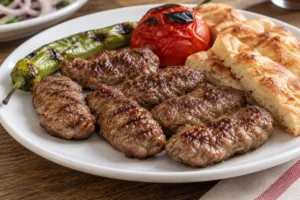
1. İnegöl Köfte
İnegöl köfte is one of the best-known traditional Turkish köfte varieties. It comes from İnegöl in Bursa Province and is famous for its relatively simple seasoning. Compared with many other köfte recipes, it uses fewer herbs and spices, allowing the flavor and texture of the meat to stand out.
The mixture is generally made with beef or a beef-lamb blend and shaped into short, slightly elongated pieces. Its smooth, springy texture and restrained flavor profile distinguish it from more heavily seasoned varieties.
What makes it different: Minimal seasoning and a meat-forward taste.
How it is usually served: With bread, grilled peppers, tomatoes, and simple sides.
2. Tekirdağ Köftesi
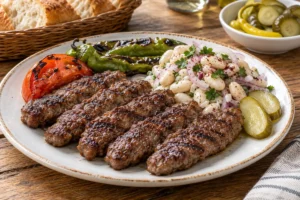
Tekirdağ köftesi comes from Tekirdağ in the Thrace region and has a more pronounced seasoning profile than İnegöl köfte. It is typically shaped into elongated patties and may include cumin, black pepper, onion, and other seasonings.
The texture is tender but firm enough to hold up well on the grill. It is commonly served with grilled peppers, tomatoes, bread, piyaz, or pickles.
What makes it different: Its aromatic seasoning and distinctive elongated shape.
Best for: Travelers who prefer a more noticeably seasoned grilled köfte.
3. Akçaabat Köftesi
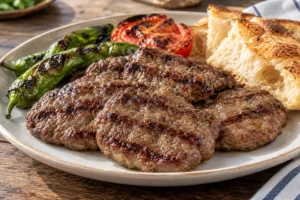
Akçaabat köftesi is associated with Akçaabat, near Trabzon on the Black Sea coast. This style places particular emphasis on the meat itself. Its seasoning is generally simple, and its texture is tender rather than heavily packed.
The quality of the meat, careful mixing, and grilling technique are central to the result. It is usually cooked over high heat and served without a heavy sauce.
What makes it different: A clean, meaty flavor supported by restrained seasoning.
How it is usually served: With bread, grilled vegetables, and regional accompaniments.
4. İzmir Köfte
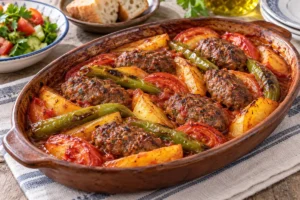
İzmir köfte is quite different from the grilled styles above. The oval köfte pieces are cooked or baked with potatoes, tomatoes, and peppers in a tomato-based sauce.
This preparation turns it into a complete home-style dish rather than a simple plate of grilled meatballs. The potatoes absorb the sauce while the meat remains tender.
What makes it different: It is cooked with vegetables and tomato sauce.
Best for: Anyone looking for a comforting, sauce-based Turkish meal.
5. Kasap Köfte
Kasap köfte literally means “butcher’s köfte.” Rather than identifying one tightly standardized regional recipe, the name describes a meat-focused style commonly prepared by butchers and restaurants.
A typical version may contain ground beef, onion, salt, black pepper, and sometimes cumin or parsley. The exact recipe varies, but the seasoning is usually kept simple so that the quality of the meat remains noticeable.
What makes it different: Its straightforward preparation and emphasis on fresh meat.
Best for: People who prefer classic grilled köfte without heavy sauces or spices.
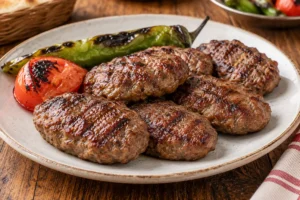
6. Tire Köftesi
Tire köftesi is associated with Tire in İzmir Province and has a distinctive preparation and serving style. The meat is shaped into small pieces and traditionally cooked on skewers.
It is commonly paired with a buttery tomato preparation, which gives the dish a richer character than dry-grilled varieties.
What makes it different: Skewer cooking and a butter-and-tomato serving style.
Best for: Anyone who enjoys juicy köfte with a rich sauce.
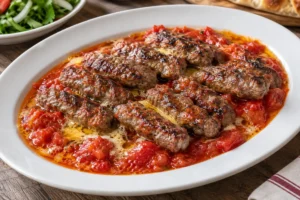
7. Sultanahmet Köftesi
Sultanahmet köftesi is closely associated with Istanbul’s historic Sultanahmet district. It is generally prepared as a small grilled patty with a straightforward seasoning blend.
Its reputation is closely connected with long-established köfte restaurants on the historic peninsula. A traditional plate often includes piyaz, grilled peppers, bread, and pickles.
What makes it different: Its strong connection with Istanbul’s restaurant culture.
Best for: First-time visitors looking for a classic Istanbul köfte experience.
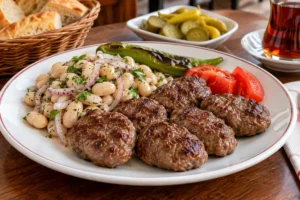
8. Islama Köfte
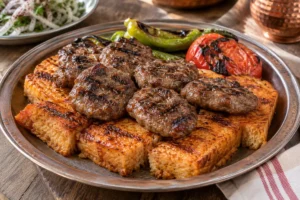
Islama köfte comes from Sakarya, particularly Adapazarı, and stands out because of the bread served with it. Slices of bread are soaked in seasoned meat broth, often flavored with paprika or red pepper, and then grilled or toasted.
The soaked bread absorbs the savory broth and becomes as important to the dish as the köfte itself.
What makes it different: Broth-soaked bread grilled and served with the köfte.
How it is usually served: With its signature bread, grilled peppers, and tomatoes.
9. Kadınbudu Köfte
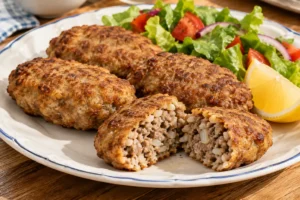
Kadınbudu köfte is a pan-fried style made by combining ground meat with cooked rice. In many recipes, part of the meat is cooked before being mixed with the remaining ingredients. The shaped köfte is coated in flour and egg, then fried until golden.
Rice gives the interior a softer, looser texture than standard grilled köfte, while the egg coating creates a distinct outer layer. It can be served warm or at room temperature.
What makes it different: Rice in the mixture and a flour-and-egg coating.
Best for: People who want to try a traditional pan-fried alternative to grilled köfte.
10. Dalyan Köfte
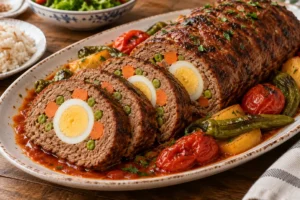
Dalyan köfte is prepared as a large meat roll rather than individual meatballs. The ground meat mixture is shaped around fillings such as boiled eggs, carrots, and peas, then baked and sliced before serving.
Its filled center makes it visually distinctive and closer to a composed family-style main course than a standard plate of grilled köfte.
What makes it different: Its rolled form and visible filling inside each slice.
Best for: Family meals and more elaborate home-style presentations.
What Is Turkish Köfte?
Köfte is the name of a broad family of Turkish dishes, most commonly prepared by seasoning and shaping ground meat before cooking. The term includes many forms beyond round meatballs. For its ingredients, preparation methods, and cultural context, read our complete guide to what köfte is.
Frequently Asked Questions
How Many Types of Köfte Are There in Türkiye?
There is no single fixed number. Türkiye has dozens of regional and home-style varieties, and individual restaurants and families may follow their own recipes.
Are There Vegetarian Types of Turkish Köfte?
Yes. Mercimek köftesi is made with lentils and bulgur, while the çiğ köfte commonly sold in Türkiye today is generally meat-free. These are usually treated separately from meatball-style köfte.
Can You Find Regional Köfte Varieties in Istanbul?
Yes. Istanbul has restaurants specializing in köfte from different parts of Türkiye, although availability varies by neighborhood and restaurant.
Is Köfte Usually Served as a Main Course or a Sandwich?
Both forms are common. Restaurant plates often include side dishes, while köfte ekmek places grilled köfte inside bread for a quicker, more casual meal.
What Drinks Are Commonly Served With Köfte?
Ayran is a common non-alcoholic choice. Depending on the restaurant and serving style, diners may also choose şalgam, mineral water, or other soft drinks.