
Located on Türkiye’s southwestern Aegean coast, Bodrum is known for its turquoise bays, whitewashed houses, lively marina, and distinctive food culture. The local cuisine reflects the wider culinary traditions of Muğla and the Aegean region, where olive oil, wild herbs, seasonal vegetables, seafood, yogurt, and locally grown produce play leading roles.
If you are wondering what to eat in Bodrum, look beyond the standard kebabs and restaurant menus found across Türkiye. Some of the most characteristic foods include Çökertme kebabı, kabak çiçeği dolması, fresh Aegean fish, octopus, calamari, deniz börülcesi, local herb dishes, and Bodrum mandarins.
From simple meze tables beside the sea to traditional dishes served in local restaurants and village kitchens, these are the Bodrum foods you should try during your visit.
What Is Bodrum Cuisine Known For?
Bodrum cuisine is strongly influenced by the geography of the Aegean coast.
Rather than relying primarily on heavy meat dishes, the regional table commonly features:
- Olive oil
- Fresh fish and seafood
- Wild herbs
- Seasonal vegetables
- Yogurt
- Local cheeses
- Citrus fruits
- Tomatoes
- Eggplants
- Zucchini
- Fresh bread
The result is a cuisine that can feel fresh and relatively light while still offering rich flavors.
Many dishes are served as meze, encouraging diners to order several small plates and share them across the table.
10 Foods You Should Try in Bodrum
1. Çökertme Kebabı
One of the most important dishes to try in Bodrum is Çökertme kebabı.
Associated with Bodrum and the wider Muğla region, this distinctive kebab is very different from the skewered meat preparations many visitors associate with Turkish cuisine.
It typically consists of:
- Thinly sliced beef
- Very finely cut crispy potatoes
- Garlic yogurt
- Tomato sauce
- Butter or seasoned oil
The potatoes form the base, followed by yogurt and meat, with tomato sauce or melted butter finishing the dish.
What Does Çökertme Kebabı Taste Like?
The appeal comes from the contrast of textures.
Crispy potatoes meet cool, garlicky yogurt and tender meat, while the tomato sauce adds acidity and richness.
Despite being called a kebab, it feels closer to a composed plate than a conventional grilled kebab.
For travelers searching for traditional food in Bodrum, Çökertme kebabı should be near the top of the list.
2. Kabak Çiçeği Dolması – Stuffed Zucchini Flowers
Kabak çiçeği dolması, or stuffed zucchini blossoms, is one of the most characteristic foods of the Aegean region.
Fresh zucchini flowers are carefully filled with a rice mixture and cooked gently with olive oil.
The filling commonly contains:
- Rice
- Onion
- Olive oil
- Fresh herbs
- Tomato
- Mint
- Dill or parsley
- Seasonings
Because zucchini flowers are delicate and seasonal, preparing them requires care.
The finished dish is generally served at room temperature and works beautifully as part of a larger meze table.
3. Fresh Aegean Fish
Bodrum’s coastal location makes fresh fish an essential part of the local dining experience.
Rather than searching for one particular species, ask what is fresh and in season.
Common fish found along Türkiye’s Aegean coast can include:
- Sea bass
- Sea bream
- Red mullet
- Sardines
- Larger seasonal fish
The simplest preparations are often the best.
Fresh fish may be:
- Grilled
- Baked
- Pan-fried
- Served with olive oil and lemon
A typical seafood dinner begins with cold mezes before moving on to grilled fish accompanied by salad.
4. Octopus – Ahtapot
Ahtapot, or octopus, is another popular seafood choice in Bodrum and throughout the Aegean.
It may appear grilled or incorporated into a cold seafood salad.
Octopus salad can contain:
- Tender cooked octopus
- Olive oil
- Lemon
- Parsley
- Onion
- Vinegar or other acidic seasoning
Grilled octopus offers a different texture, with lightly charred edges and a firm but tender interior.
Because octopus is naturally flavorful, the best preparations generally keep sauces relatively simple.
It makes an excellent addition to a seafood-focused Bodrum meze table.
5. Kalamar – Calamari
Kalamar is a familiar feature of coastal Turkish restaurants.
Fried calamari is perhaps the most common preparation, generally served hot alongside a dipping sauce.
A good plate should have:
- A crisp exterior
- Tender interior
- Fresh seafood flavor
- Minimal greasiness
Calamari works particularly well as a sıcak meze, or hot appetizer, shared before the main fish course.
Grilled versions can also appear on menus.
6. Deniz Börülcesi – Samphire
Deniz börülcesi is one of the most distinctive vegetable mezes associated with Türkiye’s Aegean coastline.
Known as samphire or sea beans in English, this coastal plant has a naturally salty flavor.
It is usually:
- Briefly boiled.
- Cleaned from its tougher stems.
- Dressed with olive oil.
- Finished with lemon and garlic.
Because the plant naturally grows in salty environments, it often requires little or no additional salt.
Its fresh, mineral quality pairs particularly well with seafood.
For anyone exploring Aegean cuisine in Bodrum, deniz börülcesi is an essential meze to try.
7. Aegean Wild Herbs
Wild and cultivated herbs are central to western Türkiye’s cuisine.
Depending on the season, restaurants and local markets may feature greens such as:
- Radika
- Şevketibostan
- Cibes
- Turp otu
- Hardal otu
- Other seasonal Aegean herbs
They may be boiled and served simply with olive oil and lemon or incorporated into salads and cooked dishes.
8. Mücver – Zucchini Fritters
Mücver is a popular Turkish vegetable fritter most commonly prepared with grated zucchini.
The mixture can include:
- Zucchini
- Eggs
- Flour
- Dill
- Parsley
- Green onion
- White cheese, depending on the recipe
Small portions are traditionally fried until golden.
The crisp exterior contrasts with the soft vegetable center, while fresh herbs provide aroma.
Mücver is frequently served with plain yogurt or garlic yogurt.
Although it is enjoyed across Türkiye rather than belonging exclusively to Bodrum, its zucchini-and-herb profile fits naturally into the region’s vegetable-focused Aegean cuisine.
9. Zeytinyağlılar – Olive Oil Dishes
One of the best ways to experience Bodrum food culture is to order several zeytinyağlı dishes.
Zeytinyağlılar refers to vegetables cooked with olive oil and usually served cool or at room temperature.
Depending on season, you may encounter:
- Stuffed peppers
- Artichokes
- Green beans
- Eggplant
- Leeks
- Broad beans
- Stuffed zucchini flowers
Fresh herbs and lemon often provide additional flavor.
These dishes are especially important for understanding Aegean Turkish cuisine, where olive oil is more than a cooking ingredient—it is one of the defining elements of the regional table.
10. Bodrum Mandalinası – Bodrum Mandarin
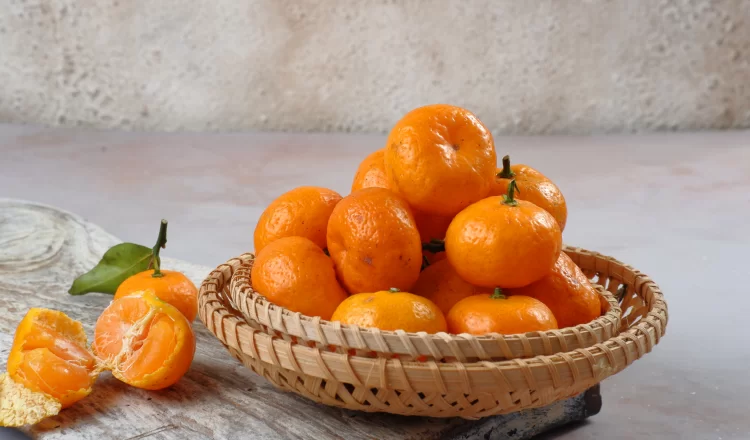
One of Bodrum’s most recognizable local agricultural products is the Bodrum mandarin.
Mandarin orchards have long been part of the peninsula’s agricultural landscape, and the fruit is known for its powerful fragrance as well as its flavor.
You may encounter Bodrum mandarins in several forms:
- Fresh fruit
- Mandarin jam
- Turkish delight
- Desserts
- Sorbet
- Ice cream
- Soft drinks
- Locally produced beverages
Products made from mandarin are particularly useful if you want to take a culinary souvenir home from Bodrum.
Bodrum Meze Culture
One of the best dining experiences in Bodrum is a long dinner built around Aegean mezes.
Rather than ordering one appetizer per person, choose several dishes for the table.
A good selection might include:
- Deniz börülcesi
- Kabak çiçeği dolması
- Fava
- Eggplant salad
- Wild herbs
- Haydari
- Artichokes
- Octopus salad
- Zucchini fritters
Fresh bread accompanies the dishes.
If you are ordering fish afterward, five or six shared mezes are often enough for a small group. Ordering everything in the display case can quickly turn a light introduction into an unexpectedly large meal.
Fava
Fava deserves particular mention on an Aegean meze table.
It is a smooth purée made primarily from dried broad beans and olive oil.
The mixture is cooked until soft and then cooled before serving, often garnished with:
- Dill
- Olive oil
- Red onion
- Lemon
Its mild, creamy flavor balances more acidic and salty dishes such as deniz börülcesi.
Seafood Meze in Bodrum
Coastal restaurants may offer an additional selection of seafood mezes.
These can include:
- Octopus salad
- Shrimp
- Calamari
- Marinated fish
- Fish roe preparations
- Seafood salad
The exact selection depends on the restaurant and season.
Choosing a mixture of vegetable and seafood mezes provides a particularly good introduction to Bodrum’s coastal food culture.
Turkish Breakfast in Bodrum
A long Turkish breakfast is another experience worth planning during a Bodrum trip.
A breakfast spread may contain:
- Local olives
- White cheese
- Kaşar
- Tomatoes
- Cucumbers
- Fresh herbs
- Eggs
- Menemen
- Honey
- Jams
- Bread
- Börek
- Turkish tea
Locally produced olive oil and seasonal vegetables are particularly appropriate additions in this part of Türkiye.
For a more relaxed breakfast, village areas and quieter settlements outside Bodrum town can offer a different experience from the busier marina restaurants.
Bodrum Markets and Local Products
A visit to a local market provides another perspective on the region’s food culture.
Depending on season, market stalls may offer:
- Bodrum mandarins
- Tomatoes
- Peppers
- Eggplants
- Zucchini
- Wild herbs
- Olives
- Olive oil
- Local cheeses
- Honey
- Nuts
- Dried herbs
- Seasonal fruits
Markets are particularly valuable because they reveal the ingredients behind many of the dishes served in local restaurants.
They can also be good places to find traditional snacks and breakfast foods.
Vegetarian and Vegan Food in Bodrum
Bodrum is an excellent destination for travelers looking for vegetarian Turkish food.
The Aegean emphasis on vegetables, herbs, olive oil, and legumes means that numerous traditional foods contain no meat.
Vegetarian options can include:
- Kabak çiçeği dolması
- Mücver
- Deniz börülcesi
- Fava
- Wild herb dishes
- Zeytinyağlı vegetables
- Eggplant salads
- Artichokes
- Vegetable mezes
Many olive-oil dishes are naturally vegan.
However, always confirm individual recipes because yogurt, cheese, egg, butter, or meat stock may sometimes be used.
Where to Eat in Bodrum
Different parts of the Bodrum Peninsula offer different dining experiences.
Bodrum Town
Central Bodrum offers the widest selection, ranging from seafood restaurants and meyhanes to casual Turkish restaurants, bakeries, and modern dining.
The marina and waterfront areas are particularly popular in the evening.
Yalıkavak
Yalıkavak combines traditional restaurants with a large modern marina and upscale dining scene.
It is a good destination for visitors looking for both contemporary restaurants and Aegean seafood.
Gümüşlük
Gümüşlük is particularly associated with waterfront seafood restaurants.
The relaxed coastal setting makes it a popular choice for long dinners centered on meze and fresh fish.
Türkbükü
Türkbükü has a more fashionable beach-club and restaurant scene, particularly during summer.
Prices can be considerably higher than in more traditional parts of the peninsula.
Inland Villages
Moving away from the main resort areas can reveal a different side of Bodrum cuisine, including village breakfasts, home-style dishes, gözleme, local vegetables, and simpler restaurants.
How to Choose a Good Seafood Restaurant in Bodrum
A few practical considerations can improve the experience.
Ask What Is Fresh
Rather than automatically choosing the most familiar fish, ask what is fresh and appropriate that day.
Check Prices
Fish may be sold by weight, and premium coastal restaurants can be expensive. Confirm prices before ordering.
Look at the Meze Selection
Fresh-looking vegetable and seafood mezes can tell you a great deal about the restaurant’s kitchen.
Keep the Meal Simple
Good seafood does not require complicated sauces.
Olive oil, lemon, herbs, and careful grilling are often enough.
Foods That Are Popular in Türkiye but Not Specifically Bodrum Specialties
Tourist destinations often serve dishes from every region of Türkiye.
You will easily encounter:
- Mantı
- Döner
- Lahmacun
- Various kebabs
- Baklava
- Künefe
These are all worth trying, but they should not necessarily be presented as traditional Bodrum specialties.
For example, hamsi is especially associated with Türkiye’s Black Sea region, while kağıt kebabı is strongly linked with Hatay.
If your goal is to experience the food culture of Bodrum itself, prioritize Çökertme kebabı, seafood, zucchini blossoms, Aegean herbs, olive-oil dishes, mezes, and Bodrum mandarins.
Frequently Asked Questions About Food in Bodrum
What food is Bodrum famous for?
Bodrum is especially associated with Çökertme kebabı, Bodrum mandarins, fresh seafood, olive-oil vegetable dishes, zucchini blossom dolma, Aegean herbs, and meze.
What is the most traditional dish to try in Bodrum?
Çökertme kebabı is one of the most distinctive regional dishes. It combines thinly sliced meat with crispy shoestring potatoes, garlic yogurt, and tomato sauce.
Is Bodrum good for seafood?
Yes. Bodrum’s Aegean coastal location makes fish, calamari, octopus, and seafood mezes important parts of the local dining scene.
What vegetarian food should I try in Bodrum?
Kabak çiçeği dolması, deniz börülcesi, fava, wild herb dishes, zeytinyağlı vegetables, mücver, and seasonal mezes are excellent vegetarian choices.
What is Bodrum mandarin?
Bodrum mandarin is a fragrant local citrus fruit historically grown on the Bodrum Peninsula. It is consumed fresh and used in jams, desserts, Turkish delight, ice cream, drinks, and other local products.
Where is the best area for seafood in Bodrum?
Seafood restaurants can be found throughout the peninsula. Gümüşlük is especially known for waterfront fish restaurants, while Bodrum town and Yalıkavak also offer extensive seafood dining options.
Discover Bodrum Through Its Food
The best Bodrum food experience is not about working through a generic list of famous Turkish dishes.
Instead, focus on what the peninsula and the wider Aegean region do particularly well.
Start with kabak çiçeği dolması, deniz börülcesi, fava, and seasonal herbs from the meze counter. Try Çökertme kebabı for one of Muğla’s most recognizable regional dishes, then devote another evening to grilled fish, calamari, and octopus beside the sea.
Visit a market to discover local vegetables, olives, herbs, and the distinctive Bodrum mandarin.
Together, these foods reveal a cuisine shaped by the Aegean landscape: generous olive oil, abundant vegetables, fresh seafood, aromatic herbs, and meals designed to be shared slowly.
For anyone wondering what to eat in Bodrum, that combination—not any single restaurant—is where the peninsula’s true culinary character can be found.