
Kadayıf, one of Türkiye’s classic syrup-soaked desserts, is made with fine shredded pastry strands, butter, nuts, and a simple sugar syrup. Crisp on top, soft and syrupy inside, it is one of the easiest traditional Turkish desserts to recreate at home once you understand the basic technique.
The version most people mean when they say kadayıf is tel kadayıf, made from thin shredded dough. It is layered with walnuts or pistachios, baked until deeply golden, then soaked with syrup.
If you are looking for an easy Turkish kadayıf recipe, this guide covers the correct ingredient ratios, baking method, syrup timing, and the most common mistakes to avoid.
Ingredients
- For the Kadayıf Dough:
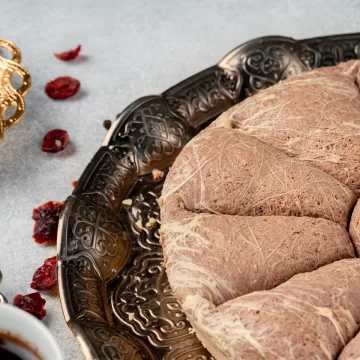
500g shredded Kadayıf (found at Middle Eastern grocery stores)
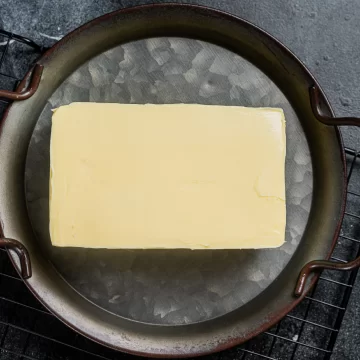
200g unsalted butter, melted
- For the Syrup:
2 cups sugar
1 ½ cups water
Juice of half a lemon
1 teaspoon rose water or orange blossom water (optional)

- For the Filling:
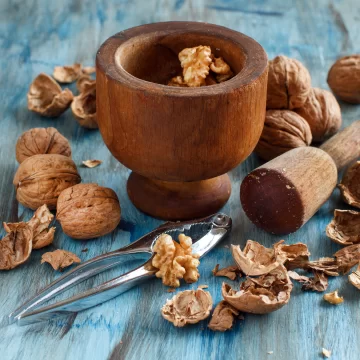
2 cups of finely chopped walnuts (or pistachios/almonds)
1 teaspoon ground cinnamon
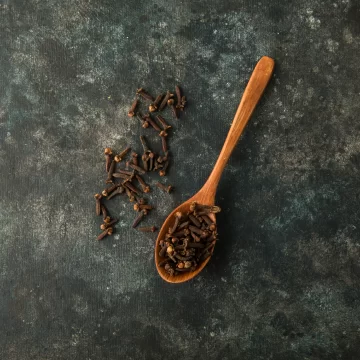
½ teaspoon ground clove
- For Garnishing:
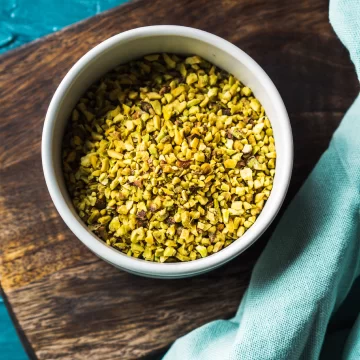
Ground pistachio (optional)
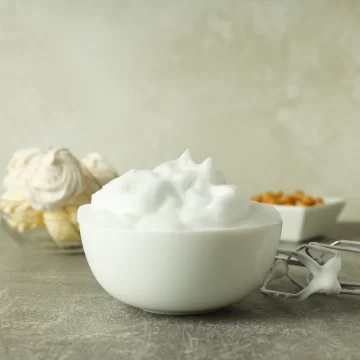
Whipped cream or ice cream (optional)
- Tools Needed:
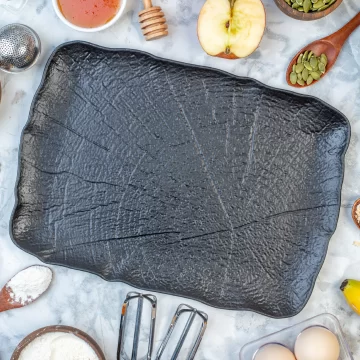
Large baking tray
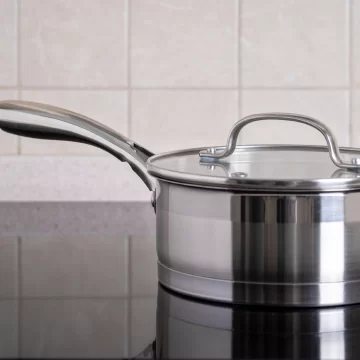
Medium saucepan
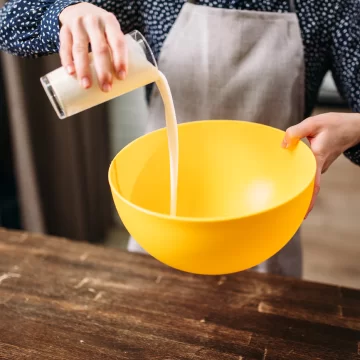
Mixing bowls
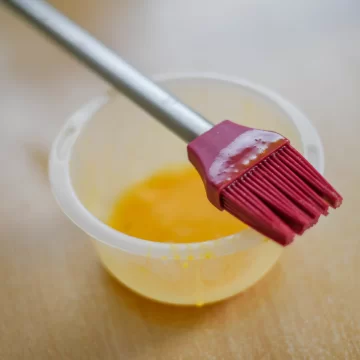
Pastry brush
Sharp knife
What Kind of Kadayıf Should You Use?

Use tel kadayıf, the fine shredded pastry sold fresh, chilled, frozen, or vacuum-packed.
You may find it in:
- Turkish grocery stores
- Middle Eastern markets
- Mediterranean food stores
- Specialty supermarkets
If using frozen kadayıf, thaw it completely before beginning.
The strands should be easy to separate rather than frozen into a solid block.
How to Make Turkish Kadayıf Step by Step
1. Prepare the Syrup First
Combine the sugar and water in a saucepan.
Bring to a boil, then reduce the heat and simmer for approximately 10–12 minutes.
Add the lemon juice during the final few minutes.
Remove from the heat and allow the syrup to cool.
This timing matters because one of the easiest ways to control the final texture is to combine hot kadayıf with cooled syrup.
2. Prepare the Kadayıf Strands
Preheat the oven to 180°C.
Place the kadayıf in a large mixing bowl and gently separate the strands with your fingers.
Pour the melted butter over the pastry.
Use your hands to distribute the butter thoroughly so that the strands are evenly coated.
This step is essential for achieving even browning and a crisp texture.
3. Prepare the First Layer
Lightly butter the baking tray.
Spread half of the kadayıf evenly across the bottom.
Press it down firmly with your hands or the bottom of a flat dish.
A compact base helps the finished dessert hold together when sliced.
4. Add the Nut Filling
Spread the chopped walnuts or pistachios evenly over the first layer.
Avoid placing the nuts all the way to the extreme edges, as they can burn more easily during baking.
5. Add the Top Layer
Cover the nuts with the remaining kadayıf.
Press firmly again.
The more evenly compressed the pastry is, the cleaner the slices will be after baking.
6. Bake Until Deep Golden Brown
Bake for approximately 35–45 minutes, depending on your oven and tray depth.
Do not remove it while it is only pale golden.
Kadayıf develops its best flavor and crispness when the top becomes a rich, even golden brown.
If necessary, rotate the tray during baking for more even color.
7. Pour the Syrup Over the Hot Kadayıf
As soon as the kadayıf comes out of the oven, slowly pour the cooled syrup over the hot pastry.
Pour gradually so the syrup distributes evenly.
You should hear a gentle sizzling sound as the syrup meets the hot tray.
Do not flood one area all at once.
8. Let It Rest
Allow the kadayıf to rest for at least 2–3 hours before serving.
This gives the pastry enough time to absorb the syrup evenly.
For the cleanest slices, allow it to cool completely.
How to Make the Best Kadayıf Syrup
A good kadayıf syrup should be sweet but not overly thick.
The standard balance is:
- 2 cups sugar
- 1½ cups water
- 1 tablespoon lemon juice
The lemon juice helps balance sweetness and reduces the risk of crystallization.
Do not boil the syrup until it becomes heavy or sticky, as this can make the finished dessert overly dense.
Hot Kadayıf or Hot Syrup?
One of the most common questions is whether both should be hot.
A reliable method is:
- Hot kadayıf
- Cool syrup
This contrast allows the pastry to absorb syrup while preserving more of its texture.
Pouring very hot syrup onto very hot kadayıf can make the strands soften too quickly.
Walnut or Pistachio Kadayıf?
Both are traditional and delicious.
Walnut Kadayıf
Walnuts provide:
- A deeper nutty flavor
- A slightly more rustic character
- Good contrast with sweet syrup
Pistachio Kadayıf
Pistachios provide:
- A more delicate aroma
- A brighter color
- A slightly more luxurious presentation
Walnut kadayıf is especially common in home cooking, while pistachio versions are popular in pastry shops and southeastern Turkish dessert traditions.
Should Kadayıf Be Pressed Before Baking?
Yes.
Pressing is one of the most important steps in making tray kadayıf.
Without enough pressure, the strands can remain too loose, making the dessert difficult to slice and reducing the contrast between crisp exterior and syrupy interior.
You can press it using:
- Your hands
- A flat-bottomed plate
- The base of another baking dish
The surface should be compact and even.
How to Make Kadayıf Crispy
For crisp kadayıf:
- Separate the strands thoroughly.
- Coat all pastry evenly with butter.
- Press the layers firmly.
- Bake until deeply golden.
- Use cooled syrup on hot pastry.
- Do not use excessive syrup.
- Allow the dessert to rest uncovered until fully cooled.
Underbaking is one of the most common reasons kadayıf turns soft instead of crisp.
Can You Make Kadayıf Ahead of Time?
Yes.
Kadayıf is a good make-ahead dessert because it benefits from resting after syrup is added.
You can prepare it several hours before serving or the day before.
For the best texture, store it in a cool place and avoid tightly covering it while still warm, as trapped steam can soften the top.
How to Store Kadayıf
Once completely cool, cover the tray loosely or transfer slices to an airtight container.
Keep it in the refrigerator if storing for more than a day, especially in warm weather.
For best quality, consume within approximately 3–4 days.
Refrigeration may soften the pastry slightly, so allow portions to return closer to room temperature before serving.
Frequently Asked Questions About Turkish Kadayıf
What is Turkish kadayıf made of?
Traditional tel kadayıf is made from shredded pastry, butter, nuts, sugar syrup, and lemon juice. Walnuts and pistachios are among the most common fillings.
Is kadayıf the same as shredded phyllo?
Kadayıf is often described as shredded phyllo because the appearance is similar, but it is a distinct pastry product made into fine strands specifically for desserts such as kadayıf and künefe.
Why is my kadayıf soggy?
The most common reasons are underbaking, using too much syrup, or combining very hot syrup with very hot pastry. Baking until deeply golden and using cooled syrup helps preserve crispness.
Can I use pistachios instead of walnuts?
Yes. Both pistachios and walnuts are suitable and commonly used in Turkish kadayıf.
How long should kadayıf rest after adding syrup?
Allow at least 2–3 hours so the syrup can distribute evenly and the dessert can firm up before slicing.
Is rose water traditionally used in Turkish kadayıf?
Not usually. Turkish kadayıf syrup is generally flavored simply with sugar, water, and lemon. Rose water or orange blossom water can be used as optional variations, but they are not essential to the traditional recipe.
Make Traditional Turkish Kadayıf at Home
Making Turkish kadayıf at home is much easier than its intricate appearance suggests.
The key is not a complicated ingredient list but technique: separate the strands well, coat them evenly with butter, press the layers firmly, bake until deeply golden, and pour cool syrup over the hot pastry.
Once those steps are right, the result delivers everything that makes kadayıf so appealing: crisp pastry, buttery richness, toasted nuts, and sweet syrup in every bite.
Serve it with Turkish tea, coffee, kaymak, or a scoop of ice cream for a classic finish to a Turkish-style meal.